Universal Testing Machines (UTM) — Tensile · Compression · Impact
Determine the mechanical limits of materials. From yield strength to fracture point, from flexural resistance to impact energy — Galdabini universal testing machines deliver complete mechanical characterization from a single manufacturer.
Technology
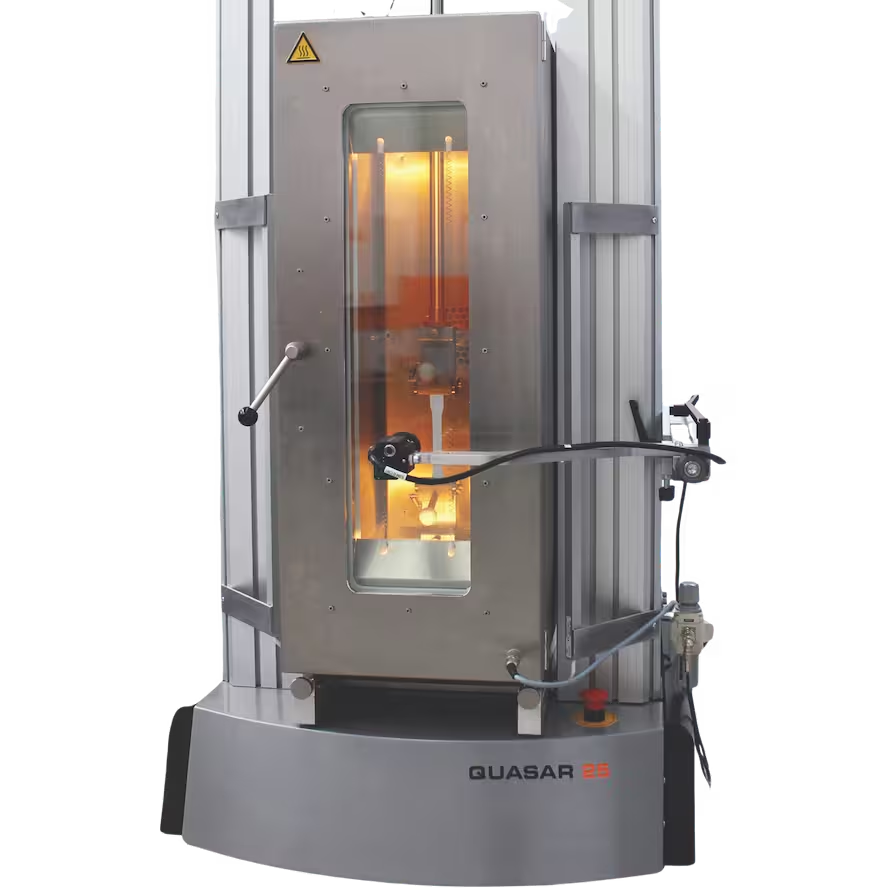
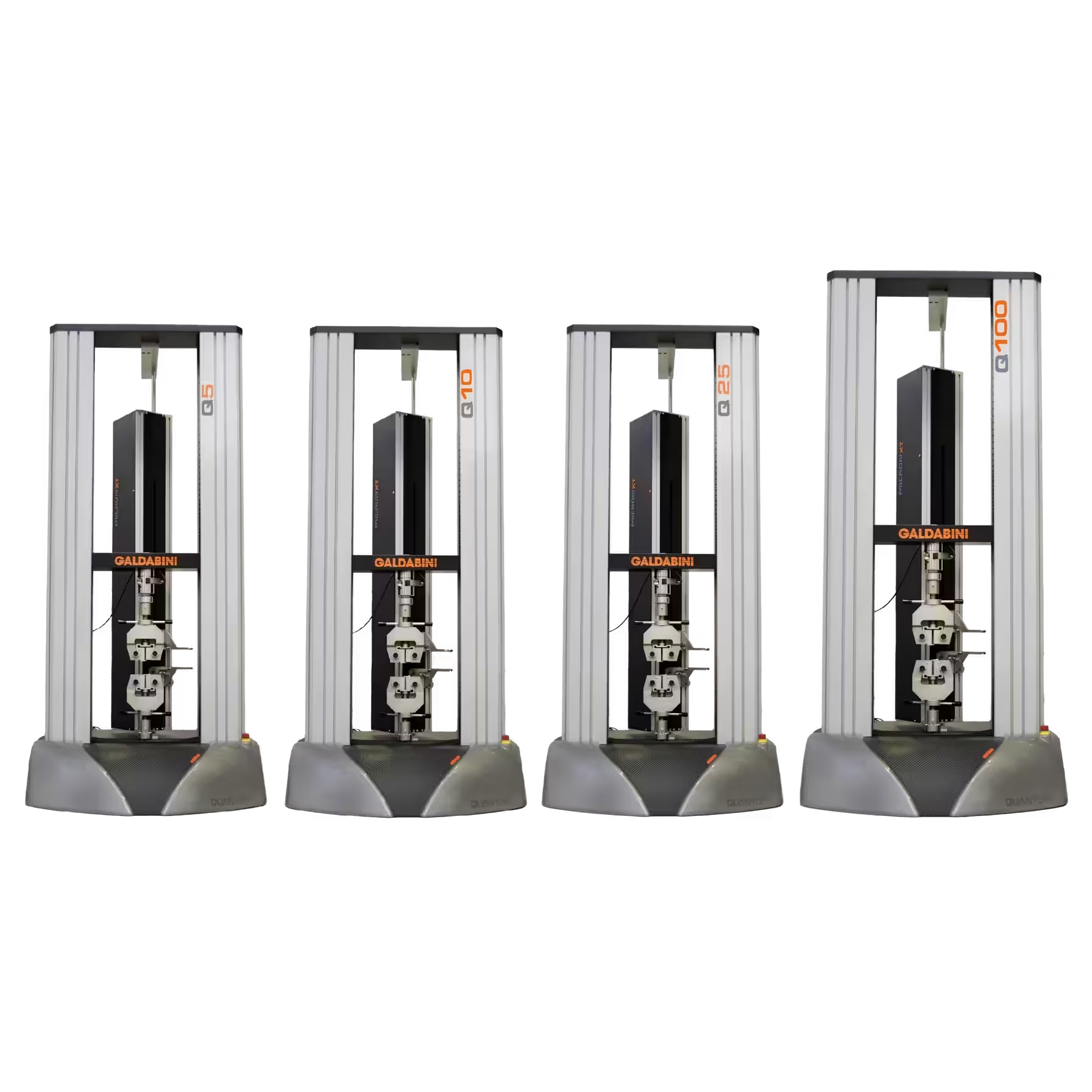
Universal testing machines (UTMs) are high-precision laboratory and quality control instruments used to analyze the mechanical properties of materials. They are called "universal" because a single frame can perform multiple test types.
Test Scope
With appropriate grips and fixture modifications, UTMs can perform numerous test procedures in full compliance with international standards.
Industrial Applications
Wherever materials science, R&D, and industrial quality control intersect, UTMs play a strategic role.
Product Range
From benchtop laboratory systems to high-capacity floor-standing machines and Impact pendulum series — the right Galdabini solution for every test requirement.
Benchtop
Dual-column electromechanical universal testing machine at ISO 7500-1 Class 0.5 accuracy. Compact laboratory solution for tensile, compression, and flexural testing at 5–100 kN.
High Capacity
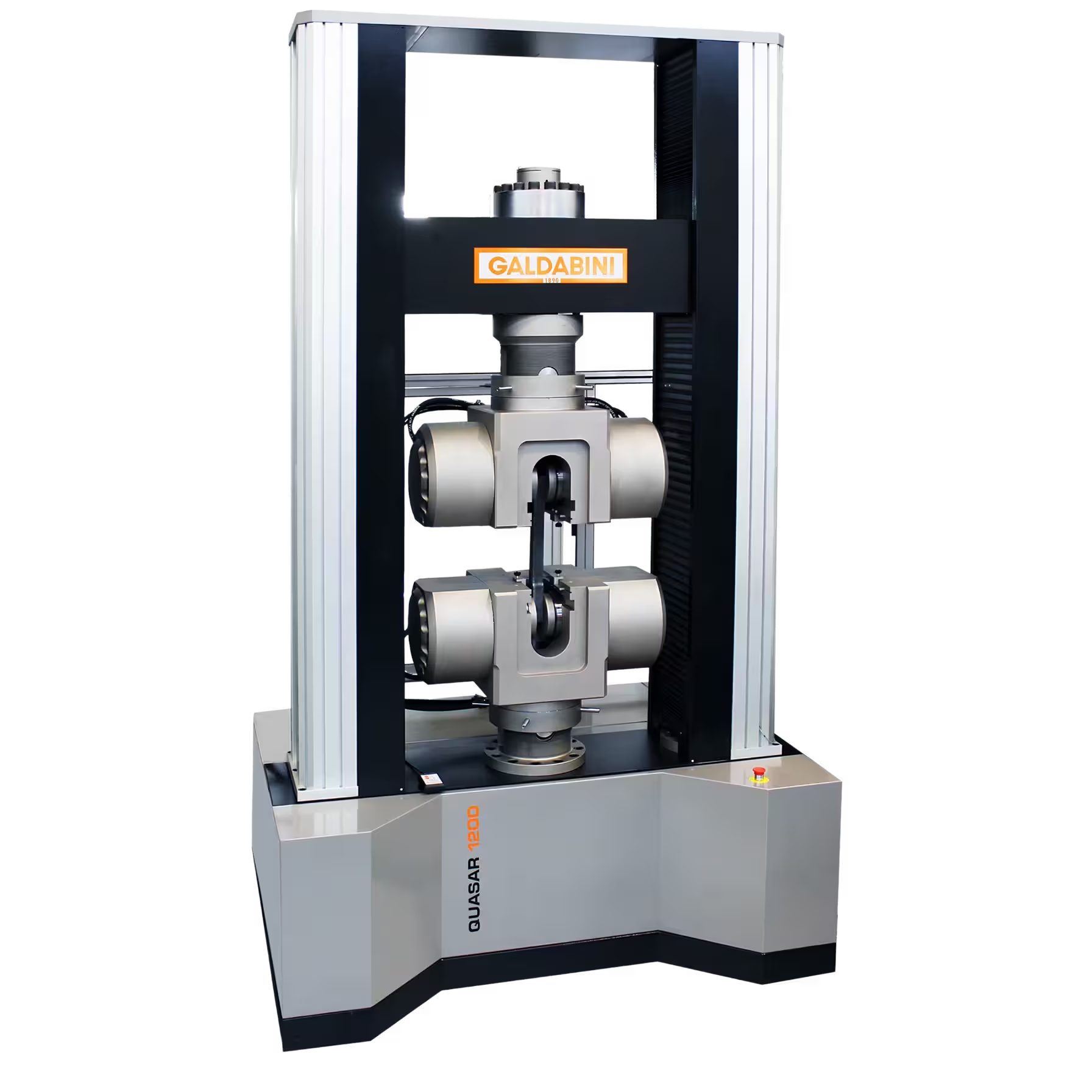
200–2000 kN fully electromechanical floor-standing tensile-compression machine for high-strength metals. NADCAP compliant, ISO 7500-1 Class 0.5.
 Impact Testing
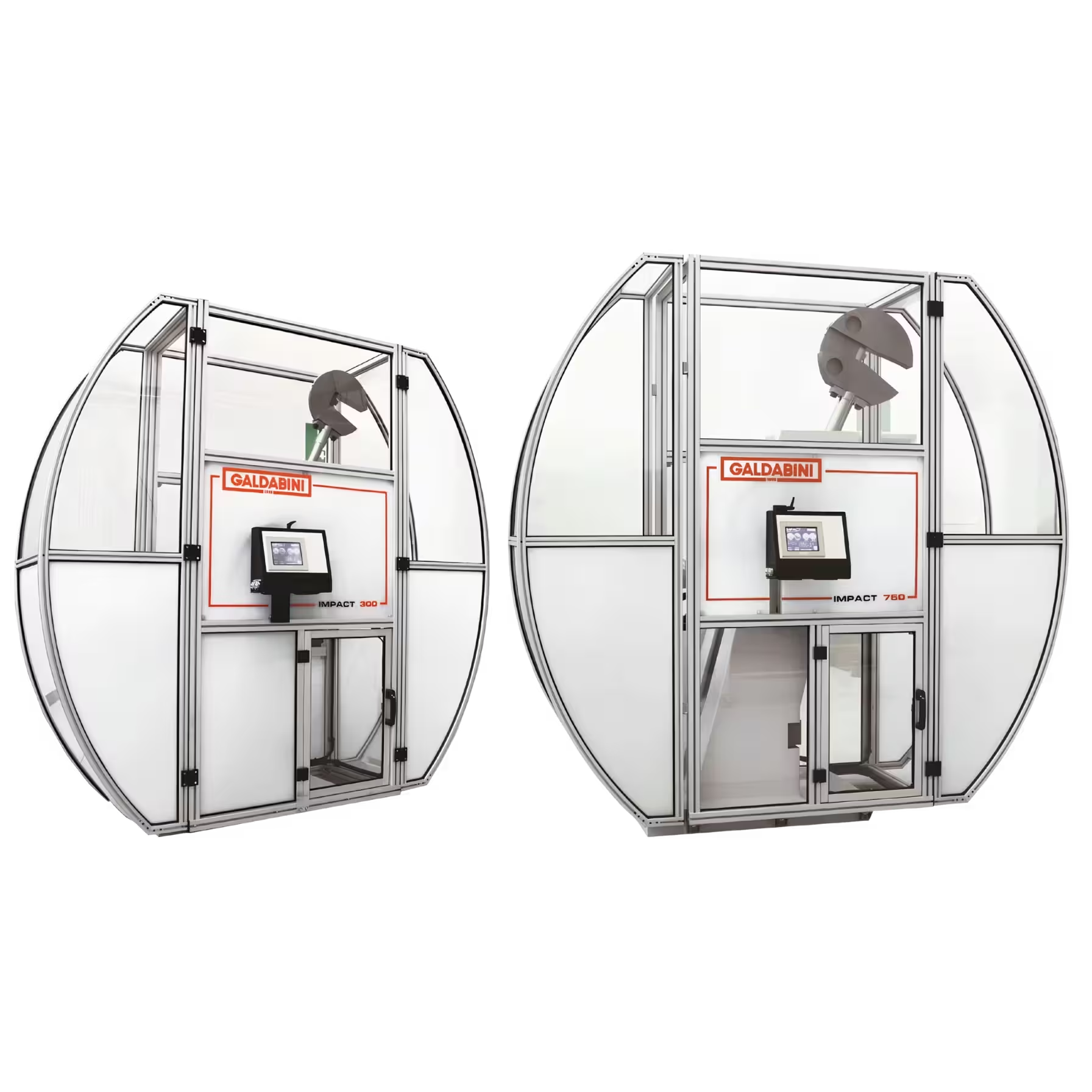
Motorized pendulum notched-bar impact testing machines. ISO 148-1 and ASTM E23 compliant Charpy/Izod testing at 150J–750J capacity. Full automation, zero-friction design.
Selecting the Right UTM
| Criterion | Guidance |
|---|---|
| Maximum Capacity | Match the frame and load cell capacity to the breaking force of your materials. 5–100 kN for most lab specimens; 200 kN+ required for high-strength metals and structural components. |
| Test Space Geometry | Ensure sufficient column clearance and crosshead opening for non-standard or oversized specimens. |
| Accuracy Class | ISO 7500-1 Class 0.5 is the industry standard for R&D and accredited quality control. All Galdabini Quasar models are Class 0.5 compliant. |
| Standards Compliance | ISO, ASTM, DIN, and sector-specific standards (e.g., NADCAP for aerospace) must be supported in the instrument and software configuration. |
| Fixture Modularity | Availability of modular grips, extensometers, and fixtures for testing different specimen types on a single machine should be evaluated. |
| Software & Automation | LIMS integration, automated reporting, and repeatable test cycles are critical for modern laboratory workflows. |
Frequently Asked Questions
A UTM (Quasar series) measures material behavior under static forces: tensile, compression, flexure. An impact tester (Impact series) determines how much energy a material can absorb under a sudden shock load. Both tests are complementary — both static and dynamic mechanical data can be obtained for the same material.
It guarantees that the measured force is within ±0.5% of the true value. This is the industry-standard accuracy class and is considered mandatory for R&D, accreditation-required laboratory testing, and critical sectors such as aerospace.
Galdabini Quasar benchtop models are suited for standard rod and plate specimens. Floor-standing models accommodate larger and longer parts. Full compliance with ISO/ASTM standard specimen geometries is achieved through dedicated grips and fixtures.
Galdabini control software supports ISO 6892-1, ISO 6892-2, ASTM E8, ASTM E9, EN 10002, and many more international standards. Test reports are generated automatically and LIMS integration is available.
Quote & Information
Share your test material, capacity requirements, and standards — we will help you identify the right Galdabini model. Our expert team has over 25 years of experience.